
Article 1: Do the Right Thing, But the Results May Not Be What You Expect

Several years ago, on a quiet, sunny afternoon, at the end of a long and productive week, my office phone rang. I answered it and was greeted by a fellow who announced that he was the print vendor for a bank client of mine called McIntosh State Bank, for which I had completed a brand new identity (their logo is in my portfolio, and shown below). Both McIntosh and the print vendor were located south of Atlanta in Jackson Georgia, about an hour and half drive from my office. He then proceeded to let me know that he needed my help. He had received via regular mail my digital production art files on diskettes. Remember those? This was before email and the internet.

The new identity I designed for McIntosh State Bank. An entirely new print, signage and marketing program was developed.

These files were for the bank’s new stationery system or the up-front collateral program. He needed those files output to films in order to produce printing plates. They needed to be reverse-facing, emulsion-up, which technically was not a problem. Bear in mind, this would be similar to a mechanic asking for tools to do his job, so it did not fail to escape my awareness that the request was out of the ordinary because printers are expected to output films from the files we designers produce. Producing films isn’t normally the job of the designer.

I kept that awareness to myself as he explained why he was unable to make his own films. His reasons seemed rather weak, but I decided to help because it was in the bank’s best interest. I had the films made by one of my vendors, which, in order to meet his deadline, would also require that I pick them up and deliver them personally. He oddly insisted I do this because he wanted to meet me in person (I learned much later as to why). Thankfully, my vendor had FTP, file transfer protocol, so I was able to use this relatively new online way to send the files for output, thus saving quite a bit of time. I would worry about who to send the bill to later.

The next day, I picked up the films and made the long drive to Jackson. The printer was located just across the street from McIntosh, so he was easy to find. With envelope in hand, I went inside and delivered the films. He inspected them and assured me they were what he needed. He then gave me a short tour of his facility. I made it a point to not discuss the issue of why he was unable to print the films himself, unless he brought the subject up, which he didn’t. As I prepared to leave, I noticed that in the front of his office hung a model of the Star Trek Enterprise. I welcomed the chance to meet a fellow trekker. We talked about that for a few minutes, and shortly afterwards, I left for the long drive back.

It is important to clarify that the film pickup and delivery went well without any obvious problems. The meeting with the print shop owner also went well, and I felt pleased I was able to help both the print vendor and McIntosh State Bank. End of story right? If only it was…

My design contract with McIntosh was completed, and they paid the final balance on time, but I noticed that all communications with them had stopped. Normally, with most clients, there is a continuing need for my services—consulting, print, marketing, signage, etc. After a couple of months, I decided it best to follow up. My messages went unanswered. I knew something was wrong, but I had no way of knowing what it was.

I grudgingly put it behind me. About a year later, I was talking with another client of mine, United Sign Advertising (yes, I did their logo too), who manufactured all the signs for McIntosh. He divulged to me that my behavior with McIntosh was unprofessional and that’s why I could no longer contact them. I was floored. What behavior, I asked? I had no idea what he was talking about. He proceeded to tell me that McIntosh’s print vendor had accused me of being belligerent and rude to him on the day I delivered the films. I responded and clarified that the accusations were lies. I had no idea why the printer did this to me.

Later, as I thought more about what happened, it occurred to me that the printer deliberately set me up. He got me to come down there so that he could sabotage my business relationship with McIntosh. It worked. I lost McIntosh and nearly lost United Sign too because they both believed the lies without getting my side of what happened. Had United Sign not called and told me, to this day I would not know what happened because McIntosh simply cut me off without a word. To me, that was unprofessional of my client so in some ways, I’m better off without them.

What was the motive of the printer? He was most likely paranoid that I was going to take McIntosh away from him, so he attacked first. After all, I designed the new identity for McIntosh State Bank and that made me a threat in the eyes of the printer. Plus, I’m sure he was egotistical enough to believe he could have designed McIntosh’s new identity himself (lots of vendors think this). How dare I do it? Once I learned what he did, I established a new rule: I NEVER communicate with any client’s vendors. I deal only with the client and my client HAS to deal with their vendors themselves. On top of that, most of my client communications are backed up in writing by making judicious use of email. Everything can be verified. This is a good lesson for my readers too. Be cautious and never meet with someone alone. If I ever am forced by a client to talk with a vendor directly in the future, I will force the client to be there too. I will never meet with a vendor alone.


Article 2: Designers: The Ultimate Archive Librarians

One of the first, and most important, things I learned when I entered my career as a designer was the need to keep all the materials I created for each client and project. I also needed to manage that material over time.  When I worked for other agencies, I marveled at how poorly they archived their work.  They were always digging through stuff, trying to find something.  So much time was wasted doing that. 

I vowed that I would do better when I started my own creative agency.

Thankfully, the age of digital began long before I opened my doors and initiated the search for clients, so I had it easy.  Early on, I decided the best archival tools for digital materials was something called the Iomega ZIP-drive--does anyone remember that?  It used removable discs that looked a lot like oversized 3.5 diskettes. I had one ZIP-drive in every workstation, and each drive had 250MB capacity which felt enormous at the time.  We used them for both data storage and for transporting files to vendors, particularly print vendors.

In the early 2000s, writable DVDs, with 4.7GB capacity, came on to the market and we moved away from ZIP-drives which never got beyond 750MB of storage. During that transition, we copied all our data off the ZIP-drives and on to DVDs. Writable DVDs really changed everything for us. Also, at nearly the same time, FTP (file transfer protocol) became available which allowed us to move anything larger than 10MB over the internet to vendors equipped with FTP servers.  This made a huge difference in how we handled our publications work along with those notorious last-minute changes--"quick, change the Pantone color from 468 to 469!"

Today, I still use writable DVDs (standard and Blue-Ray) which brings me to how I manage the massive amount of materials on those DVDs.  The total number of DVDs I have to keep track of is around 300 or so, each containing hundreds of files going back a number of years.  So how do I know where to find something in that proverbial haystack?

From the start, and without input from anyone, I decided to explore the idea of maintaining a searchable database; something similar to SQL, but easier to create, manage and use.  I went to a piece of software I already had: Microsoft Excel.  I simply created a single page spreadsheet containing the following columns, 1) name of client, 2). name of project, 3) metadata of project, 4). date of project, 5) any special attributes, and last 6) DVD number (each of the DVDs has a special tracking number).  I then saved the Excel file as a query database file format.

The searchable spreadsheet, acting as a database, has worked great over the years.  I open it, simply type in a search query and the information I want comes up along with the DVD number.  It is not unusual for an old client or even a vendor to contact me asking for materials several years old.  'Do you have it?' they timidly ask. 'Yes, I answer.' I find it within minutes and happily email it off to them. The really amazing thing is, the Excel database file I use today in Excel 2016 is nearly identical to the very first version of it I made using Office 97-98.

One very important thing I should mention is, each numbered DVD in my archive is duplicated (a backup) which means I actually have over 600 DVDs.  Duplicating or cloning materials has always been important to me.  Each computer workstation has two harddrives on it--the primary C:/ drive which is then cloned over to a second bootable D:/ drive.  Harddrive crashes or viruses never worry me.  Also, do not believe the stories about CDs and DVDs going "bad".  I have never had one go "bad" on me.  It is also a good idea to keep your DVDs in a dark, temperature-controlled space--I do.

In addition to my digital archive, I also maintain an archive of physical items such as printed incentives (cups, cigarette lighters, etc.), imprinted caps and apparel, print materials (brochures, magazines), packaging, wine bottles and just about anything else designed by my firm. I don't send those out to anyone. Clients HAVE asked (some demanded), but the answer is always NO.

Archiving is an art and I personally feel that every designer needs to be proficient at it.

Article 7: IT Factor--Who Has It and Who Doesn't? My next book

If you have low "It Factor", feeling uncomfortable for little to no reason is common.  We call it "being shy", but I think It Factor is at play here and why "being shy" is impossible to overcome.

If you have low "It Factor", feeling uncomfortable for little to no reason is common.  We call it "being shy", but I think It Factor is at play here and why "being shy" is impossible to overcome.

Have you ever wondered why some people attract the attention of others without even trying, while others go virtually unnoticed through life?

I first noticed this phenomenon in a few virtual reality games I played in the 2002-2010 days.   I saw horribly obnoxious people starting their own groups and in-world clubs and having no trouble attracting members--lots of them.  I even saw those same club leaders verbally and mentally abusing the people who joined their clubs.  Those members would sometimes quit, but almost always came back for more abuse.  I saw that many, many times.

This magnetic draw some people have other others has, in history and literature, gone by many aliases--charisma, charm, magnetic personality, star quality, chemistry, glamour, appeal, attraction...none of those really get to the core of this.

In the real world, I made the same observations that seemed to parallel the virtual reality worlds, and that made me think that I might be on to something real.  I began to discover that this magnetic pull goes far deeper than mere personality or skin-deep charm.  It's even independent of good behavior and attractive appearance.  This ability to lure others into joining and doing anything is almost soul-level deep.

I came up with a name for it.  I call it "It Factor".  And, what exactly is "it"?  I don't know, which is why I call it "it".  The idea of this has galvanized with me so much, I plan on writing a book about it.  In fact, the outline for it is already done and a fair amount of research has also been done.

What's the point in writing a book about this?  I think exposing this phenomenon would help a lot of people who get caught up with certain people and don't know why.  I think writing about 'it factor' would make people more aware of their life choices and also knowing whether or not they, themselves, have 'it factor'.  Perhaps I can eventually come up with a test to determine your 'it factor' level.

If you have low 'it factor', no matter how much you kick and scream, you won't get noticed in life.  Sorry, but that seems to apply to everyone I've noticed with low 'it factor'.  If you have high 'it factor', well, lucky you.  You get things your way without even trying, right?

What are your thoughts?  Pop me a note if you find this interesting.  You may not.  Why?  Because I already know that I have low 'it factor'. I've been mistreated in those online virtual reality games without even trying. 

I've had people hate me who didn't even know me.  THAT'S the power of"It Factor".  One of the first clues of It Factor is if you take a like or a dislike to someone for no logical reason, and this applies even if you haven't even spoken with that person.  Isn’t life weird?

Article 9: What Software Do You Use?

It's early morning and the sun is streaming in brightly through the windows. You are in your office, on the phone, or perhaps trading emails with a potential client about an up-and-coming project that you are hoping they will select you to work on.  All is going well.  They like your online portfolio, they like your resume and they like how you handle yourself conversation-wise.  They're confident that you can do the job.  You take a sip of coffee, lean back in your chair and think "I've got this."

Then, at the last second, "it" happens.  The potential client insists that you must have a certain piece of software in order to do the project.  You don't have it, BUT, you DO have a competing software program that absolutely does the same task.  You have three options: 1). You can be honest and say you don't have that specific program but one that does the same thing, or 2). You can lie and do the job using your preferred program and when the job is done, you hand them a PDF file and an AI file, all neat and tidy. Who's to know?, or 3).  You can go out and spend a gob of money on software just for that project.

Here's my experience with this and let's be honest.  Most clients are are not all that knowledgeable about the software programs we designers use.  They rely completely on some past project and/or designer and how a project was done then.  They think this gives them insight into how something should be done. As a result, they are nearly always inflexible--it's the old axiom, "a little knowledge in the wrong hands can be a dangerous thing".  In their minds, if a designer does not have the EXACT software program expected, said designer WILL NOT get the job--period, regardless of that person's experience and expansive portfolio--that's ignoring a LOT.  It's a bit like saying to a car mechanic, "well I know you've repaired thousands of cars, but you don't use Craftsman tools, so...".

Here's what I've done to swing the occasionally "software insistent" client my way.  Instead of focusing on software programs, I ask them what file formats they, or some production vendor, wants to see from me.  What clients consistently seem unaware of is, graphics programs such as Adobe Illustrator and CorelDraw can import and export multitudes of different file formats.  For instance, Corel can import and export AI (Adobe Illustrator) files.  It is not necessary to have Illustrator in order to do that.  Conversely, Illustrator can import CDR (Corel file format). No matter how many times I try to explain the world of import and export filters, clients don't seem to get it.  Those filters are an ENORMOUS feature of graphic design programs that few seem to take notice of. 

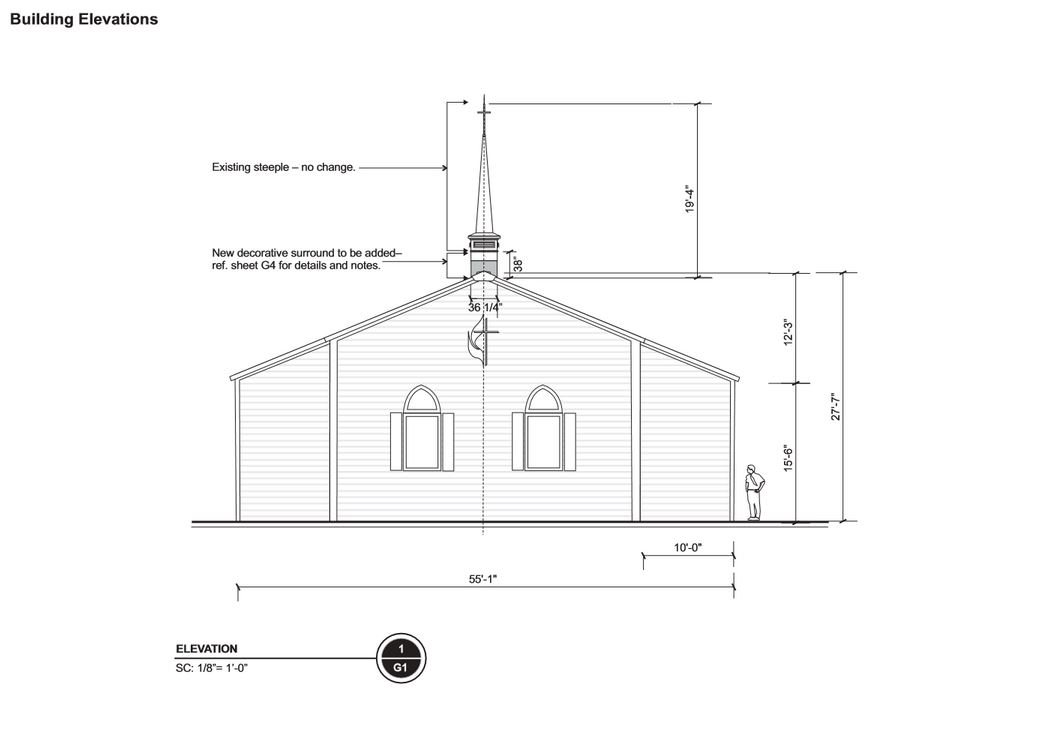
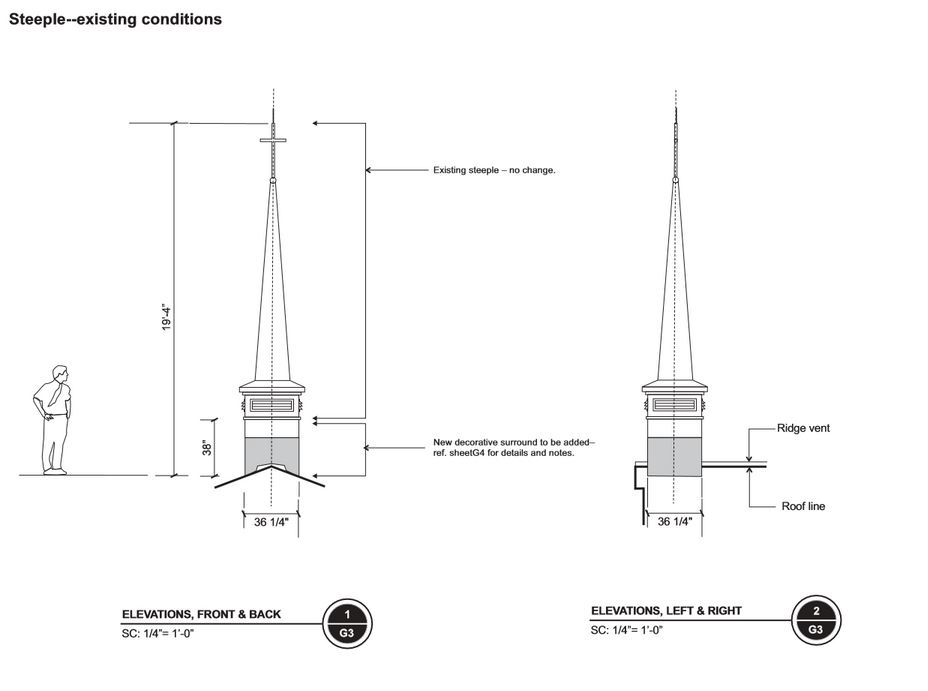
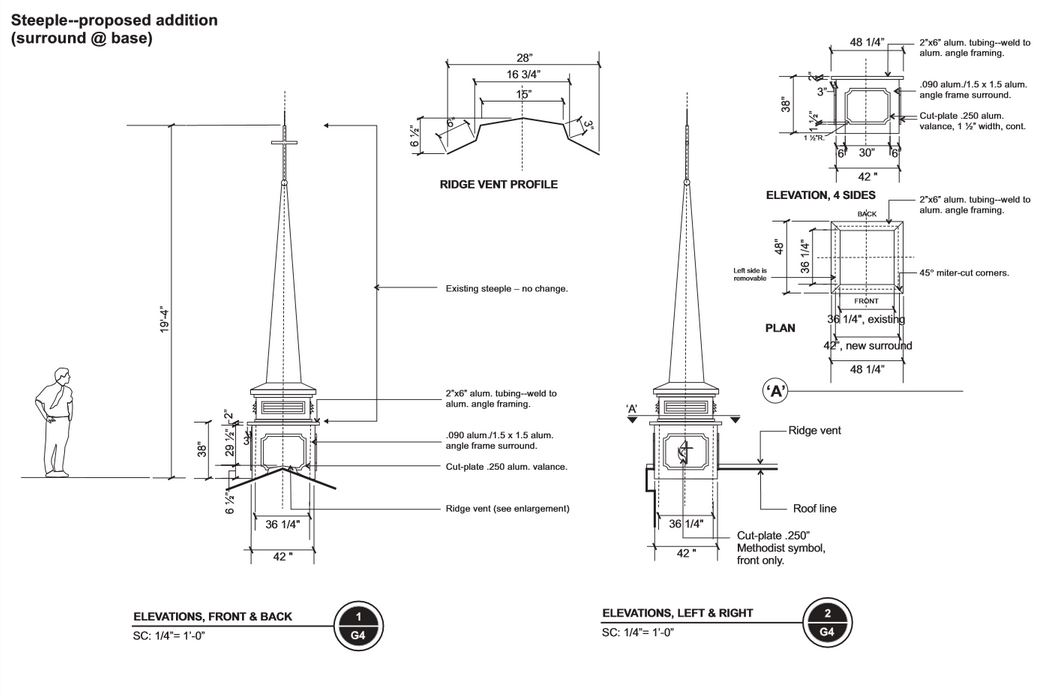
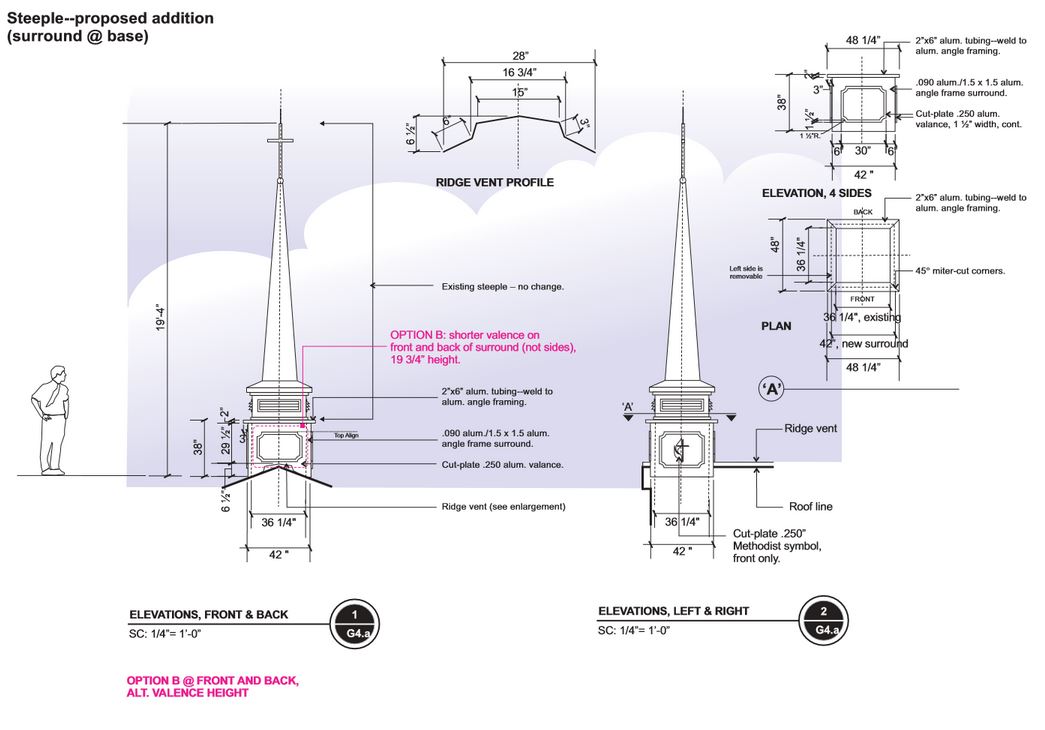
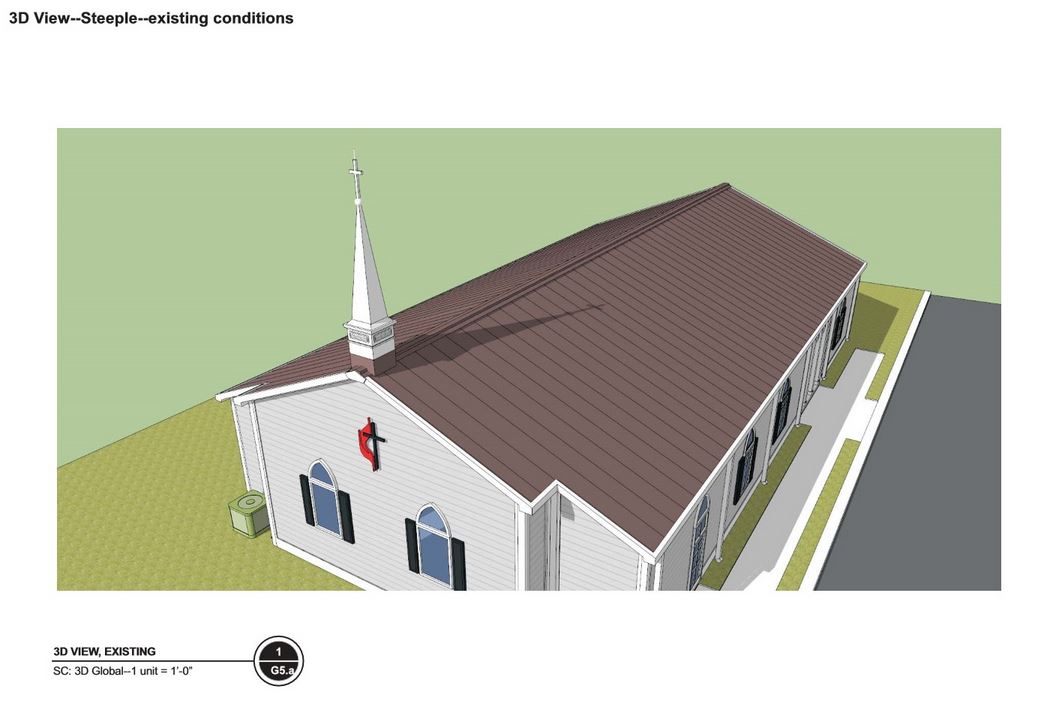
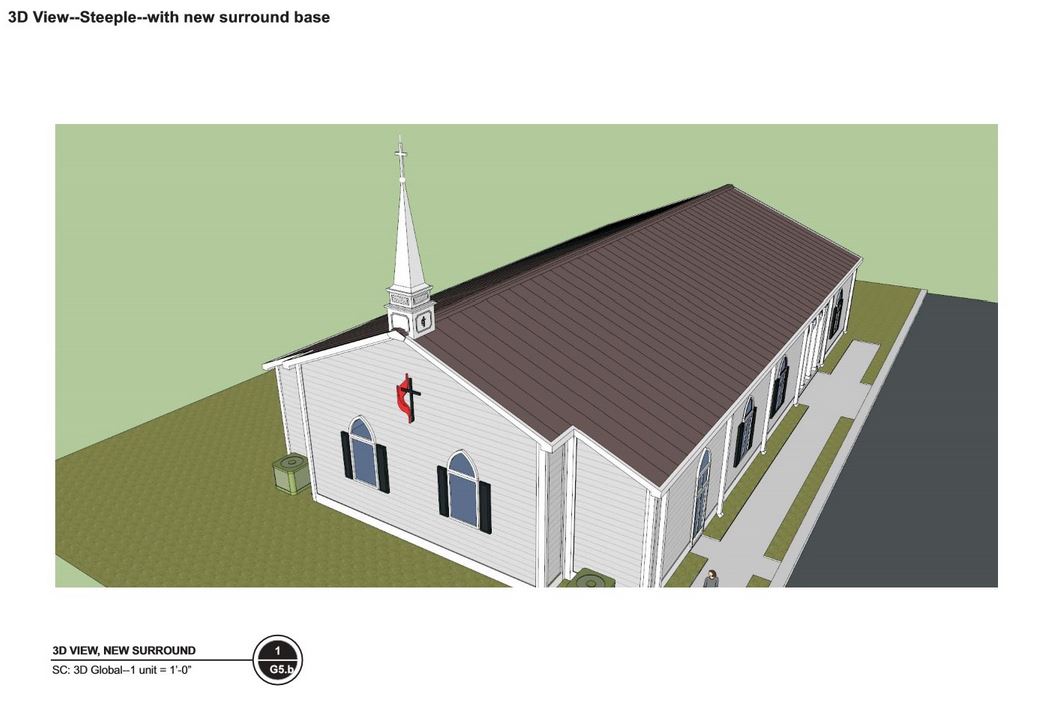
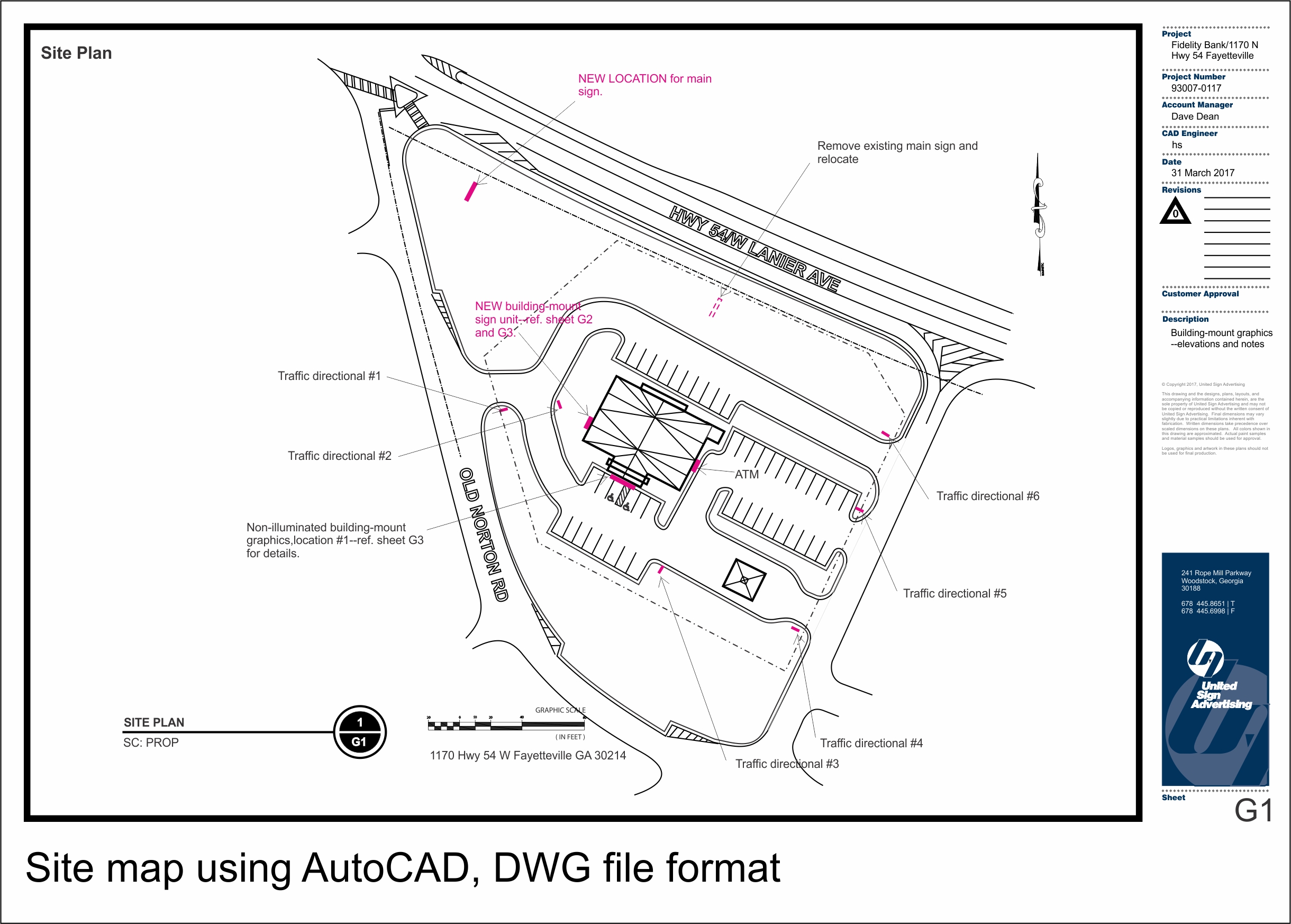
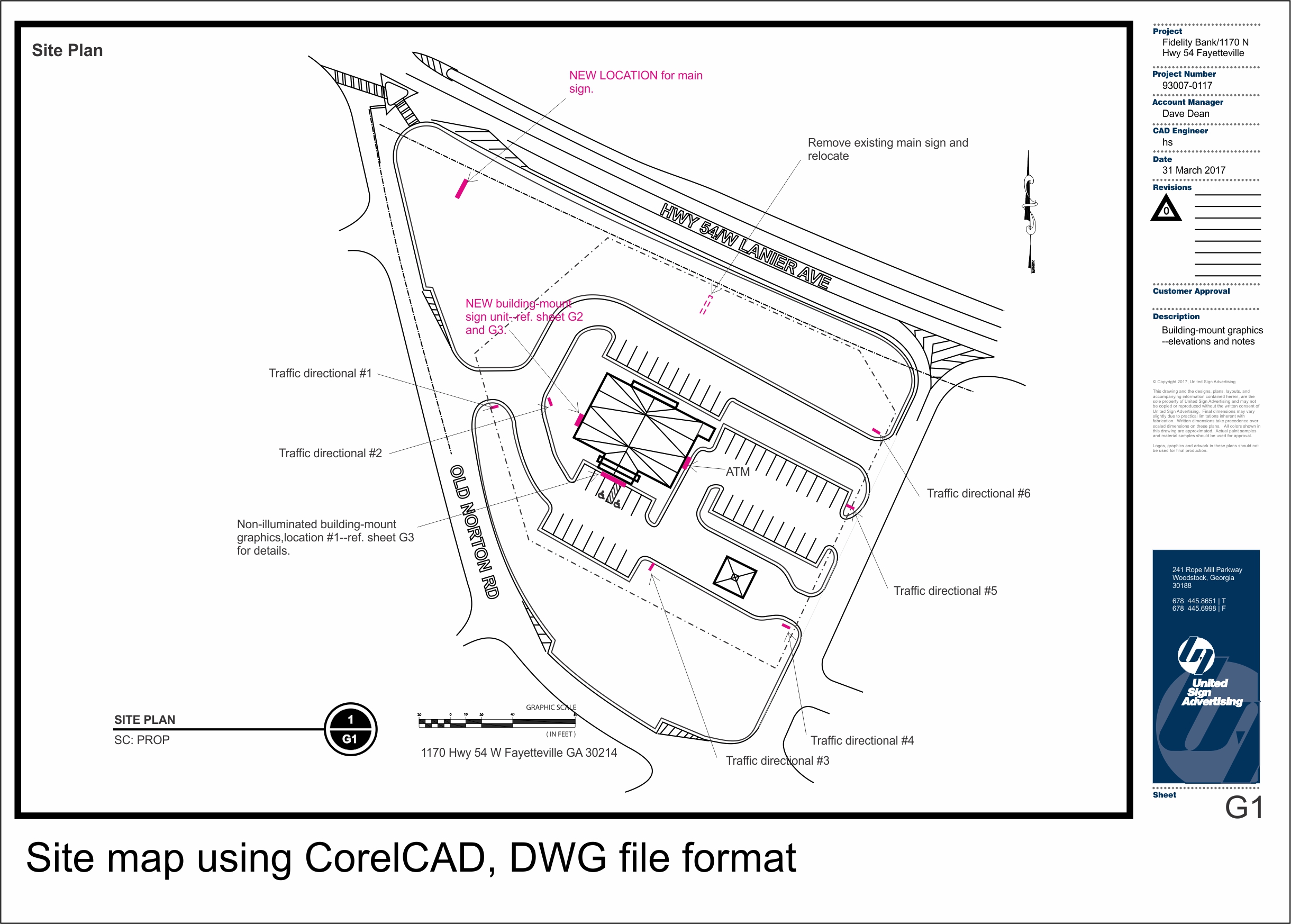
I own the latest of everything software-wise:   Microsoft Office 2016, CorelDraw X8, Adobe Creative Suite CS6 and CC, QuarkXPress and Sketchup2017 Pro with Twilight 2.5 rendering engine, CorelCAD (all run on quad-core, i7 Intel chip PCs)--no, I do not have the latest AutoCAD--it's too expensive and CorelCAD does the same thing for a lot less money (SEE TWO IMAGES BELOW).  So in the case of a client wanting CAD files, I ask them what format of DWG or DXF file they want.  I DO NOT ask which CAD program they want me to use.

Can you see any difference between the two?

Can you see any difference between the two?

To my fellow designers, I hope this helps.  If you have not already encountered this road-block, you will at some point in the future.  On a personal note, I think it is unfair of clients to do this to us, and quite frankly, I feel it is not any of their business what tools we use to get the job done.  After all, we are the experts.  If we know the scope of the job and what tools are needed to get the project to the finish line, then clients should let us do our jobs and stop poking around in our toolboxes and worrying about what software we use.

If you have comments or wish to share your experiences with this, let me know.